Kettle, Queue, Punchline: Building a Three-Panel Comic from Almost Nothing
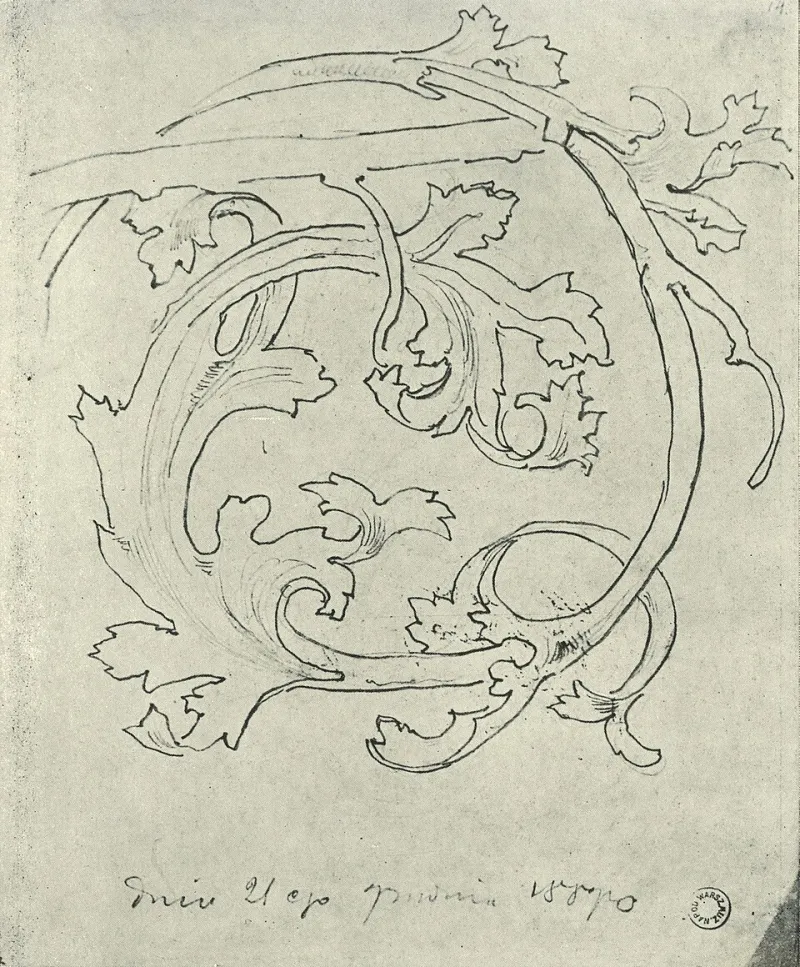
Photo: Stanisław Wyspiański, Public domain, via Wikimedia Commons
The best comic I've drawn this year started with a kettle that took too long. There was no plot, no clever line, just a person standing in a kitchen waiting for the switch to click. Somehow that was enough for three panels. I'd argue that most good short comics start exactly there — with a moment so ordinary you almost miss it.
This is a process piece, but it's also an opinion: constraint is not the enemy of visual storytelling. Three panels is a shape. It forces you to choose what matters.
The moment is smaller than you think
You don't need a beginning, middle and end in the dramatic sense. You need a before, a during and an after. A bus-stop queue has all three. A corner-shop exchange has all three. Someone puts the kettle on; someone waits; someone decides not to wait after all.
Write the moment down as a stage direction, not a story. 'Kitchen, morning. Kettle boils. Person looks at phone. Kettle clicks off.' That's not a script yet, but it's a set of panels waiting to happen.
Thumbnail like nobody's watching
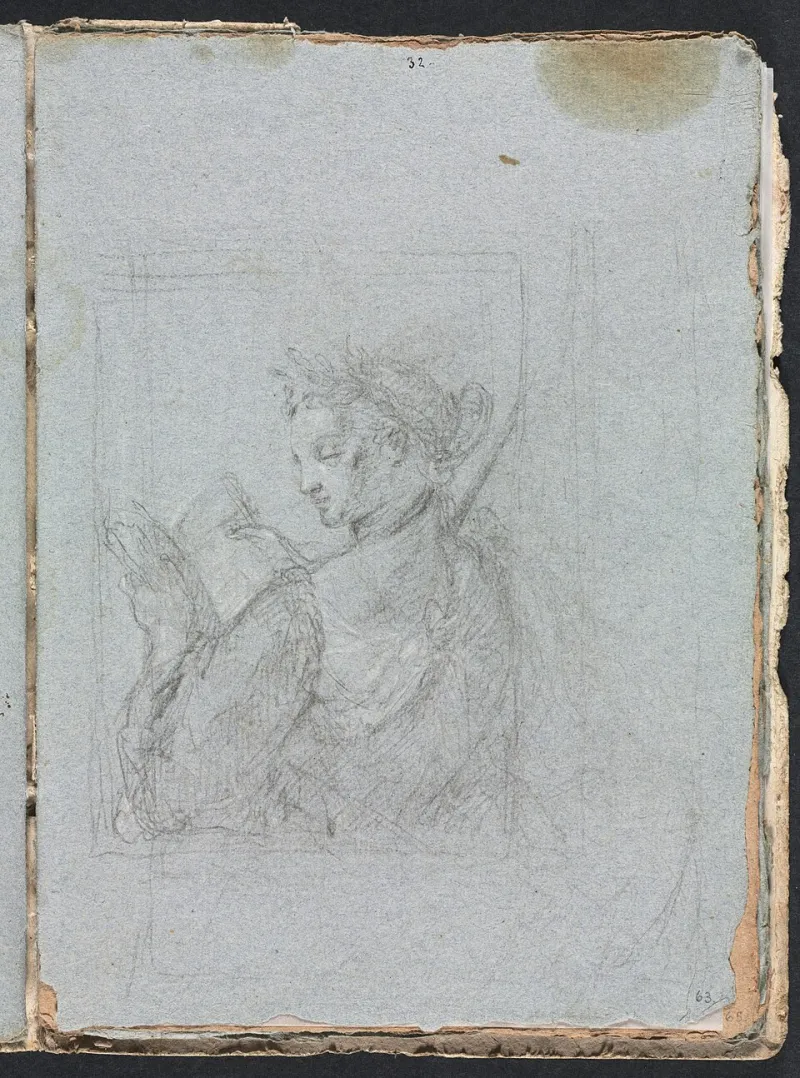
In my sketchbook there's a page with three smudgy rectangles drawn in pencil, each about the size of a stamp. The first is mostly a kitchen counter and a hand. The second is a close-up of the kettle's switch. The third is the same wide shot as panel one, but the person has gone.
That's the whole comic, really. The thumbnailing took ninety seconds. I didn't draw faces until the third attempt because faces make you start acting. Arrows and blobs are fine at this stage. The point is to test the rhythm: wide, close, wide. Set-up, pause, punchline.
Panel one: set the weather
Panel one has one job: tell the reader where they are and what kind of day it is. You don't need a caption. A mug on the draining board, a radio on the windowsill, a coat over a chair — one detail can do the work of a paragraph.
For the kettle comic, I drew the kitchen window with rain on it. That wasn't in my original note. It arrived while I was thumbnailing, and it made the waiting feel longer. That's the play part: you're not recording the moment, you're casting it.
Panel two: let the silence do the work
The middle panel is the pause. This is where a lot of three-panel comics rush. They use panel two to explain the joke, and the joke dies. Instead, try a wordless panel. A repeated framing with one small change. A hand hovering over a phone. A cat leaving the room. The kettle's switch clicking down.
Silence in comics isn't empty. It's timing. The reader's eye moves across the gutter between panels and fills that gap with their own wait. If you give them a caption, you're doing the waiting for them.
Panel three: land it, don't explain it
Panel three should feel like the smallest possible release of tension. It doesn't have to be funny. It can be a look, a sound effect, a tiny betrayal. In the kettle comic, the person leaves the kitchen and the kettle carries on boiling. That's it. No caption. No 'typical'.
The temptation is to add a final line that tells the reader what to feel. Don't. Trust the shape. If panel one set the weather and panel two held the pause, panel three only needs to land the change.
Constraint is the charm
Three panels means no subplot, no backstory, no second location. That sounds limiting until you try it. Then it becomes liberating. You stop asking 'what else happens?' and start asking 'what is the one thing that changes?'
I'd rather read a rough three-panel comic with a clear pause than a polished eight-page story that explains itself twice. The constraint keeps the hand visible. You can see the decisions on the page.
Your one-page challenge
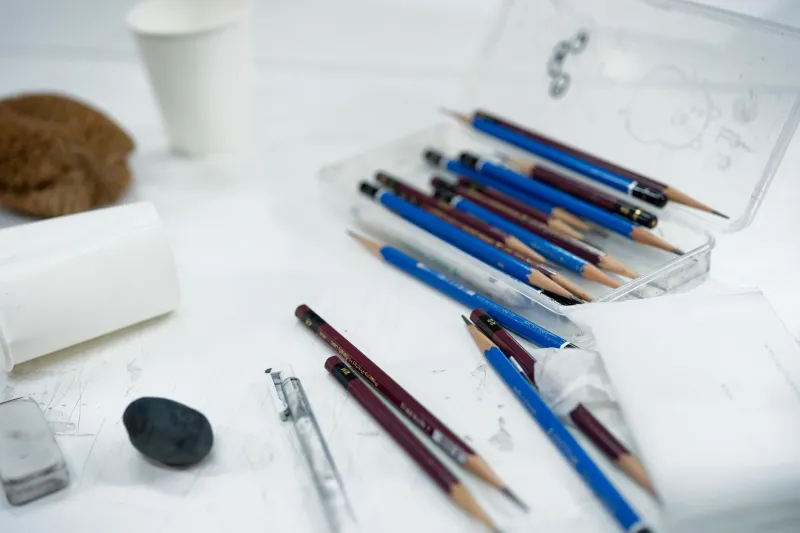
Pick one ordinary moment today. The queue at the bus stop. The corner shop 'cheers'. The kettle. Draw three panels in pencil, each no bigger than a matchbox. Don't write dialogue until the third draft. Don't add colour. Just test the rhythm: wide, close, wide.
If it feels too small, good. That's usually where the story is. Keep it rough, keep it hand-drawn, and let the silence do some of the work.